April 2022
3D printing business
Technologies
Description
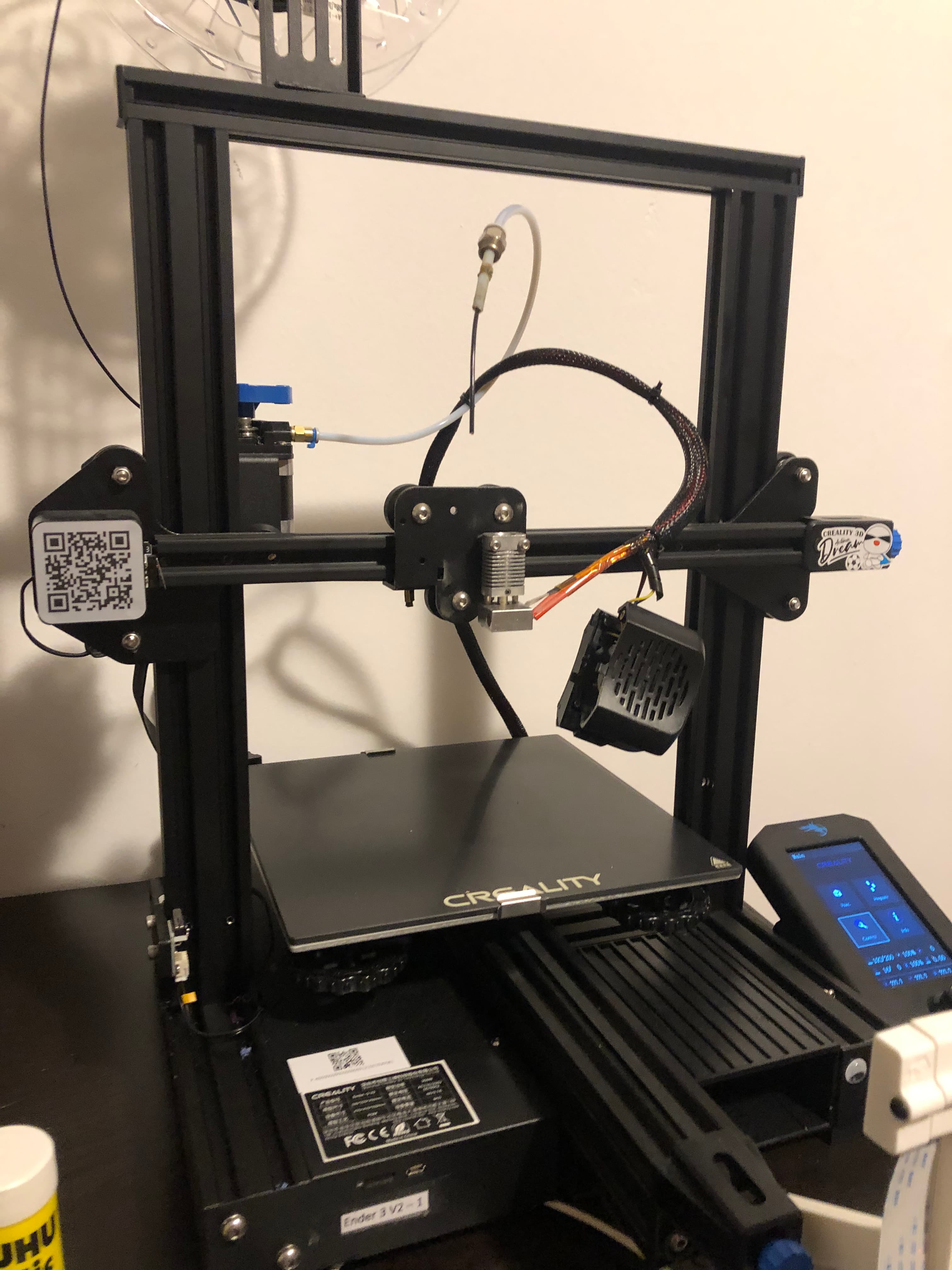
I first became interested in 3D printing when I was around 12, after watching people on YouTube create all kinds of useful and creative objects with it. After I got my first 3D printer, I started experimenting with my own designs in Blender, Onshape, and Tinkercad. At first, I mostly made small toys and simple objects, but I quickly started wondering whether other people would also be interested in buying the things I created.
With my parents’ help, I opened an Etsy store and began listing some of my designs. After a few months, I made my first sale, which was a really exciting moment for me. It showed me that something I designed at home could actually become a real product that someone wanted to buy.
Over time, I continued developing new products and learning how to run the store properly. I had to understand how to package and ship orders, communicate with customers, handle complaints, manage deadlines, and improve my listings.
One of my most successful products became the Keyboard Joystick, a small 3D-printed device that clips onto a keyboard and helps users control keys such as WASD or the arrow keys more easily. I originally designed it for CAD work and gaming, but I later discovered that some customers with disabilities were using it to make gaming and computer use more accessible. Several customers told me that the product had genuinely improved their experience, which made me realize that even a small design can have a meaningful impact.
Based on customer feedback, I continued improving the product and eventually released a new version. Today, I still actively manage the store, develop new products, and have reached more than 1,300 sales. Through this venture, I was also invited to take part in a roundtable discussion at a primary school, where I spoke about entrepreneurship, running a small business, and the challenges I faced while building the store. This was a meaningful experience because it allowed me to share what I had learned with younger students and show them that business projects can start from simple personal interests.
My Role
This business is personally managed by me. I am responsible for almost every part of the process, including product ideas, CAD design, prototyping, testing, 3D printing, packaging, customer communication, shipping, and financial tracking.
I also manage the business side of the store, including tracking revenue, expenses, profit, material costs, print time, and fees using Excel and other finance tools. Running the store has helped me understand how important it is to know your numbers, not just make good products.
Through this project, I have learned how to turn an idea into a physical product, improve it through feedback, and deliver it to customers in different countries. I have also learned how to test products properly, write clearer product descriptions, improve SEO, and organize production when several orders come in at the same time.
Learnings and Challenges
Running an Etsy store has taught me that building a product is only one part of the process. One of the biggest challenges was dealing with changes in international shipping and customs rules. When the de minimis rules changed, it became much harder to reliably ship orders to the United States, which had been one of my main markets. I had to cancel several orders, explain the situation to customers, and adjust my business toward European markets. This taught me that relying too much on one market can be risky.
Another challenge was product damage during shipping. Some customers received broken parts, so I had to improve my packaging and learn how to respond quickly by sending replacements when needed. This helped me understand the importance of customer trust and good after-sales support.
I also had to learn how to explain my products better. Sometimes customers did not immediately understand how a product worked or what problem it solved, so I improved my product descriptions, photos, and instructions. This also helped me develop better communication skills.
As the store grew, I sometimes struggled with meeting dispatch deadlines when many orders came in at once. To solve this, I improved my printing workflow, optimized my small printer setup, and became better at planning production.
Another ongoing challenge has been competition. Etsy listings need constant improvement, so I had to learn about SEO, keywords, product photography, pricing, and how to make my listings stand out. Overall, this project has taught me a lot about product development, customer service, logistics, finance, and adapting when things do not go as planned.